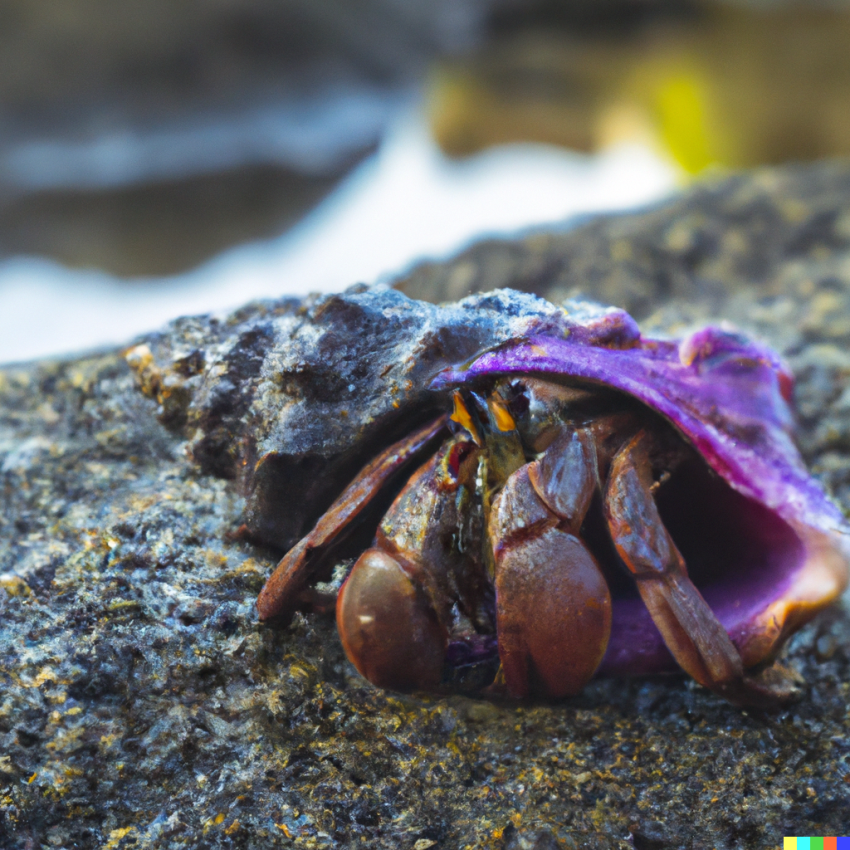
Coenobita clypeatus, also known as the purple pincher, is a popular pet hermit crab. They are relatively easy to care for, but there are a few things you need to do to make sure they live a long and happy life.
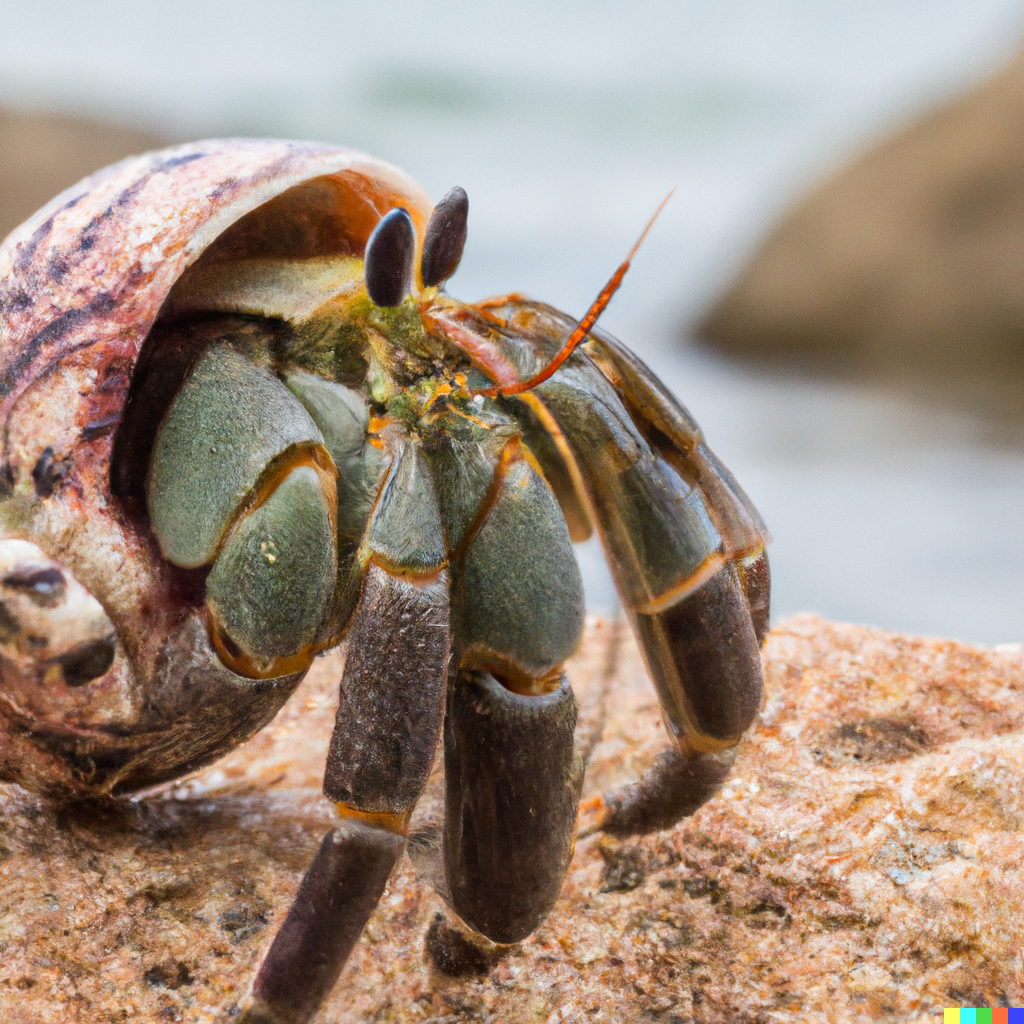
**Terrarium**
The first thing you need is a suitable terrarium. A 10-gallon aquarium is a good size for a single crab, but you can get away with a 5-gallon if you only have a few crabs. The terrarium should be filled with sand or coconut fiber, and it should have a few hiding places for the crabs. You can also add some rocks, driftwood, or other decorations to the tank.
**Water**
Hermit crabs need access to both fresh and saltwater. The freshwater should be dechlorinated, and the saltwater should be made with a 1:1 ratio of salt and water. You can buy hermit crab water conditioners at most pet stores.
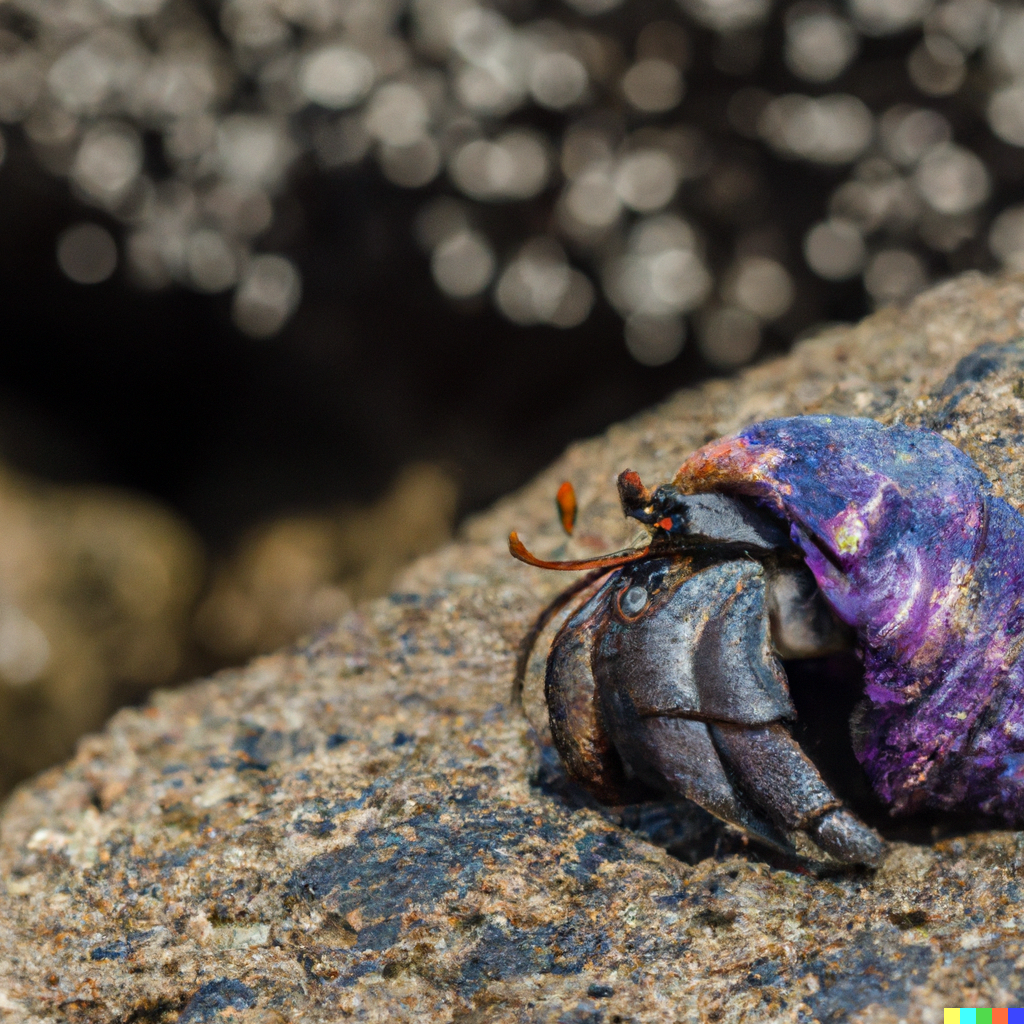
**Food**
Hermit crabs are omnivores, and they will eat a variety of things. You can feed them commercial hermit crab food, fruits, vegetables, and even meat. Just make sure to give them a variety of foods to keep them healthy.
**Humidity**
Hermit crabs need a humid environment to survive. The humidity in the terrarium should be around 70-80%. You can increase the humidity by spraying the tank with water or by using a humidifier.
**Temperature**
Hermit crabs need a warm environment to survive. The temperature in the terrarium should be around 75-85 degrees Fahrenheit. You can increase the temperature by using a heat lamp or by placing the tank near a heat source.
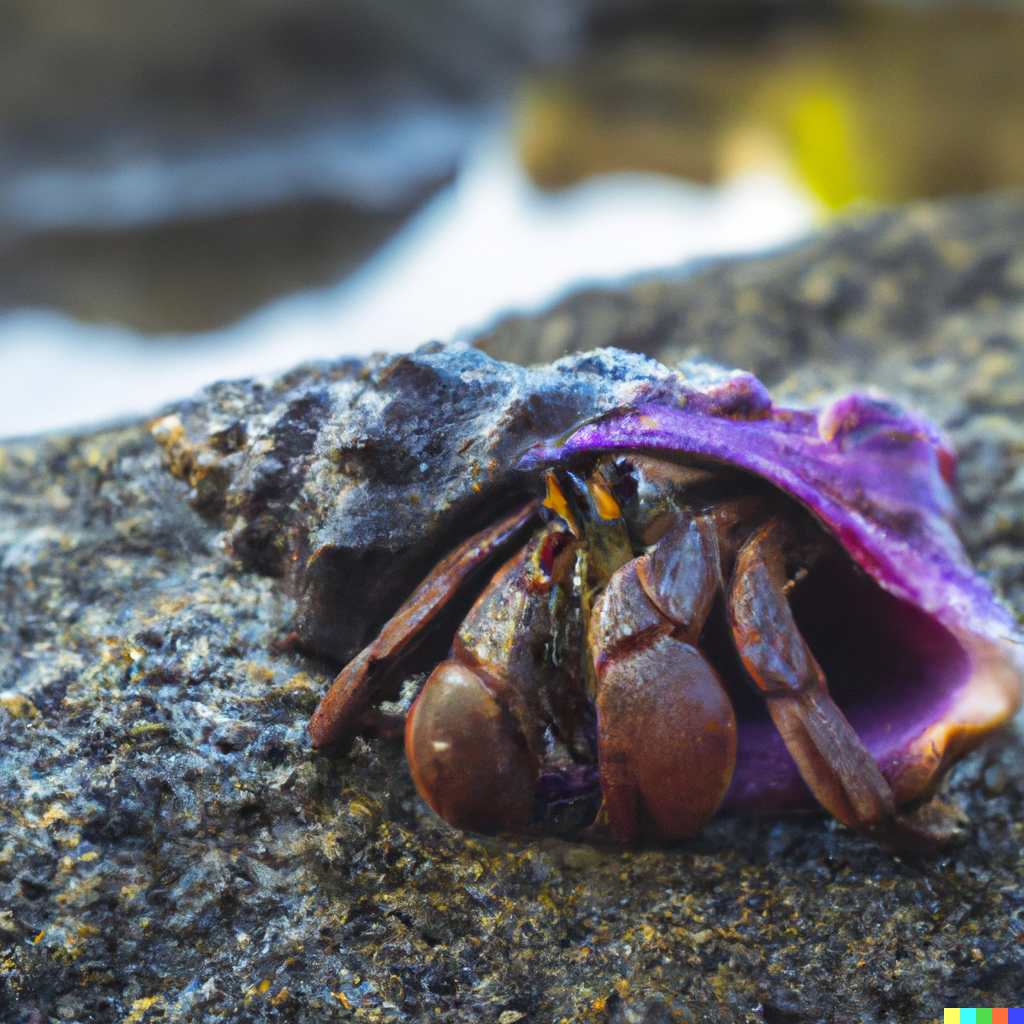
**Handling**
Hermit crabs are not social creatures with humans, and they do not prefer to be handled. If you do need to handle them, be very gentle and do not force them to come out of their shell.
**Breeding**
Hermit crabs can breed in captivity, but it is not easy. It’s hard to near-impossible. The crabs need to be the right age and sex, and they need to be in a suitable environment. If you are interested in breeding hermit crabs, you should do some research first. Once the hermit crabs lay their eggs, their larva are pelagic, or their carried on the ocean currents until they eventually become practically microscopic hermit crabs and need a little tiny shells. Did I have any beans over here
With proper care, Coenobita clypeatus can live for many years. With a little love and attention, they can make great pets.